
A visual inspection helps prevent unsafe situations with industrial hoses
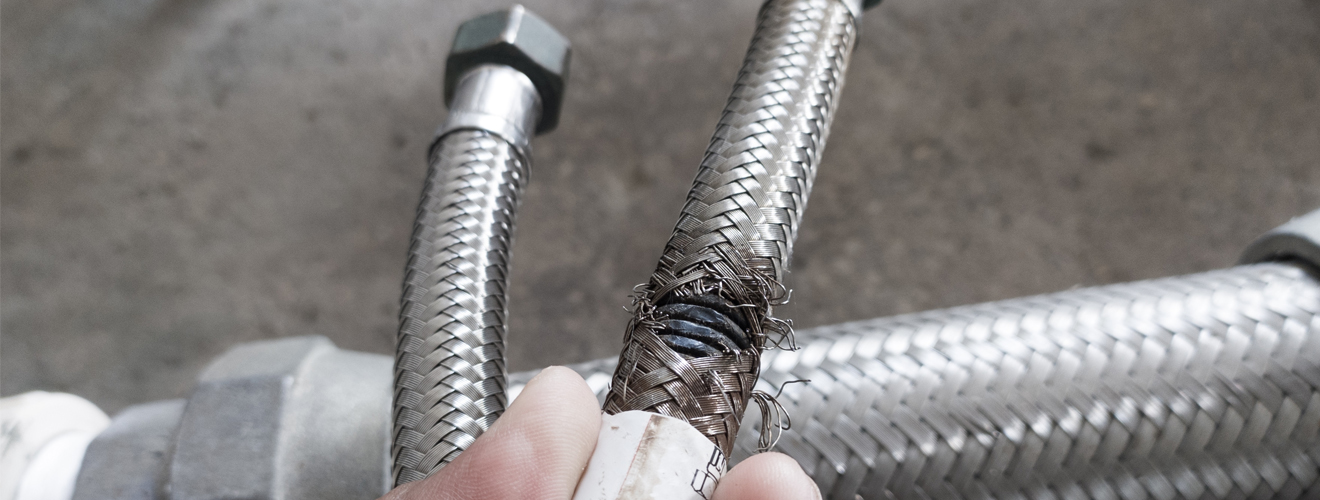
Industrial hoses are indispensable flexible connections between processes in industry and storage facilities. A hose that bursts unexpectedly not only impacts the business process but can also create unsafe situations, especially when dealing with hazardous substances, high pressure, or extreme temperatures. Regular visual inspections help prevent such situations. But what does a visual inspection involve, and how do you perform one? Our experts explain what to watch out for.
Factors That Influence
To know what to look for during an inspection, it is important to understand which factors affect the lifespan and reliability of a hose.
Mechanical Strength
First, some explanation about the mechanical strength of a hose. This is largely determined by the reinforcements, which can be made of materials such as metal, plastic, or rope. If a reinforcement is damaged due to denting, kinking, twisting, or cutting, the hose loses its mechanical strength. It then becomes only a matter of time before the hose tears or bursts at that spot. Additionally, the fittings themselves can become damaged, causing them to malfunction and leak. Even a small dent or scratch on a flange can be enough.
Aging
An aged hose will eventually start to leak or burst. Depending on the material and application, hoses are only resistant to aging up to a certain extent. Hoses exposed outdoors will age due to weather influences such as UV radiation from direct sunlight. Hoses also age from chemicals being pumped through them or from extreme conditions such as heat and fire. This applies not only to the hoses themselves but also importantly to the seals in or on the fittings.
Wear and Tear
Heavy hoses are sometimes dragged across factory floors or outdoor paving stones. This causes wear on the outer surface of the hose. When abrasive, often dry, materials are pumped, the inside of the hose also wears down. This wear can even damage the reinforcements and eventually lead to leaks.
Corrosion
An often overlooked part of the hose is the hose fitting. A small rust spot on a fitting can cause the fitting to no longer seal properly, or even become inoperable. A rusting ferrule or clamp can lead to leaks at the connection between the hose and the fitting.
8 Inspection Tips
A visual inspection doesn’t have to be complicated. Here are our 8 tips for a periodic check:
- Inspect the outer surface of the hose along its entire length for any damage.
- Check whether the hose has been kinked, dented, or twisted (dents or folds); pay close attention to the areas where the fittings are attached.
- As far as possible, examine the inside of the hose for any damage.
- Check the fittings for damage, including rust spots.
- Verify whether the seals on the fittings are still intact; replace them preventively if needed.
- Inspect the operation of the mechanical parts of the fitting; is the valve on the fitting still easy to operate?
- Photograph any damage and consult with experts (from the supplier) to determine if the hose is still usable.
- Document findings in a hose management system.
Document the Results of Inspections
What use is a visual inspection if you don’t document the results? Good hose management pays off in terms of efficiency and a safe workplace. Recording reports from visual inspections helps provide immediate insight into which hoses can or cannot be put into use, which need to be repaired or tested, or which already have been. This can easily be done digitally via an app and dashboard.

A digital dashboard for pipeline management