
The 5 Most Common Gas Detection Mistakes – and How to Avoid Them!
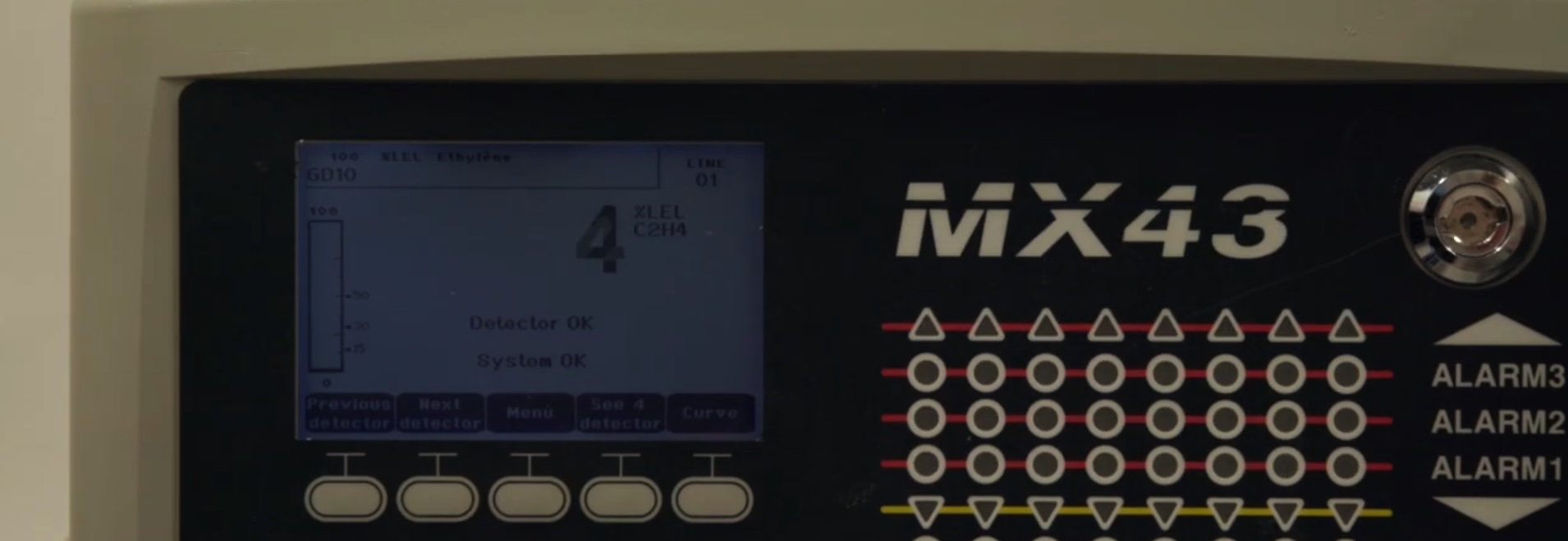
Gas detection in an industrial environment is of great importance. The knowledge of laws and regulations is often present within the environmental department, and they also monitor emission behavior. However, gas detection equipment is not always used properly and people often lack the correct knowledge, which can still lead to dangerous situations regarding the safety and health of employees and the environment. Therefore, we are happy to explain how you can avoid the 5 most common mistakes in gas detection.
Avoid these 5 mistakes in gas detection
In our previous blog, we discussed the various types of gas detection. The most common mistakes apply to each variant.
1. Neglecting maintenance
One of the most common mistakes is neglecting gas detection equipment. It is very important to regularly check the equipment for dust accumulation on sensors. Filters must be replaced and the equipment must be periodically cleaned and sometimes calibrated according to the manufacturer's instructions. If you do not do this, the risk of malfunctions and incorrect measurements is increased. Therefore, schedule a periodic maintenance round.
2. Not testing equipment
In addition to maintaining the gas detection equipment, it is equally important to periodically test the equipment. Does everything still function properly? Are all sensors still working well? And are all calibration settings correctly configured? If you don't check and test this, you run the risk that the measurements are incorrect or, for example, dangerous gases are not detected. Calibration, of course, happens when installing the gas detectors to ensure the measurements are accurate, but always keep checking the calibration settings. Due to saturation, a sensor's sensitivity can lapse. Therefore, schedule a periodic inspection.
3. Ignoring factory specifications
Every gas detection device has specific requirements and recommendations from the manufacturer. Ignoring these specifications, such as recommended maintenance intervals, calibration methods, and installation instructions, can negatively affect device performance and jeopardize safety. Therefore, always follow the manufacturer's manuals and maintain a log of all maintenance and calibration activities.
4. Incorrect placement of gas detectors
Gas detectors must be strategically placed to be effective. Incorrect placement can result in dangerous gases not being detected before they pose a threat to employees. They are sometimes placed too high or too low, causing them to not detect certain gases. Some gases accumulate at different heights. Therefore, determine the best location and place the gas detectors where gases accumulate or escape. Or consult an expert for advice on the best placement.
Prevent negligence and protect your people
The core of these mistakes lies mainly in negligence. Negligence in maintenance and inspection, but also in not following instructions and training. The consequences are significant: dangerous situations for employees. The solution is actually quite simple: schedule periodic maintenance and inspections, follow the manufacturer's instructions, train your employees, and hire an expert for placement.