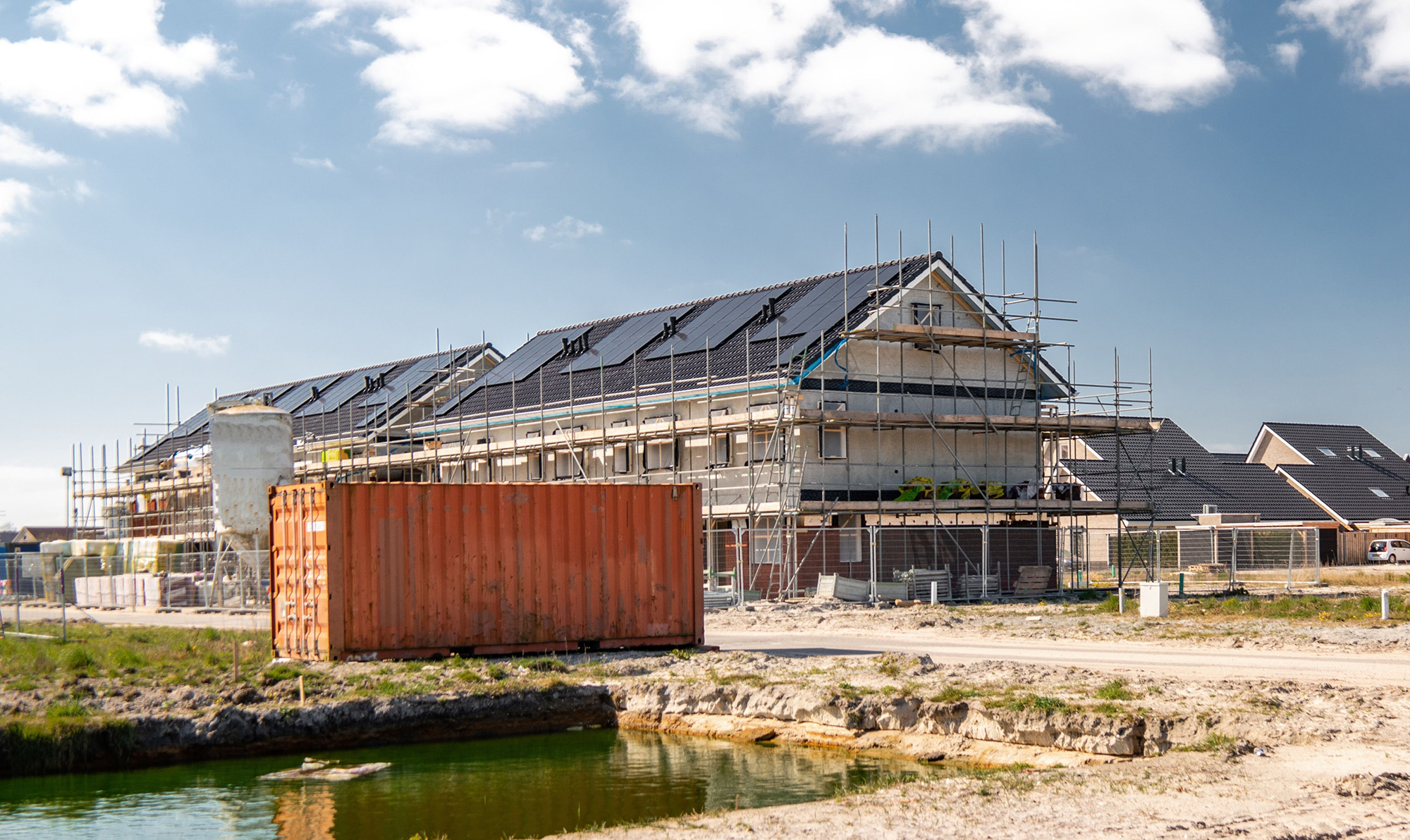
What you safely store at night could be listed on Marktplaats by morning.
Construction sites are increasingly targeted by organized gangs. Not just a random passerby with a screwdriver, but well-prepared criminals who know exactly where to go. They strike at night or during weekends, when sites are deserted and unmonitored. Their favorite loot? Copper, cables, tools, generators, and diesel.
According to research by BauWatch, 1 in 3 construction companies has recently experienced theft or vandalism. Large projects in the Randstad and along highways are particularly popular targets. And the impact is significant.
Not only are valuable materials lost, but also precious time. Projects face delays, deadlines come under pressure, and replacing equipment costs money. On top of that, your reputation as a contractor or site manager takes a hit.
As a spokesperson for construction company Berghege put it after a major theft at Coudewater Estate:
“We're really sick about it. They took an entire container full of equipment.”
Why are construction sites so vulnerable?
During the day, construction sites are organized chaos, but at night they often turn into quiet, open areas filled with valuable goods. And that’s exactly what organized criminals exploit. Equipment is scattered across the site. Containers sit at the project’s edge. Lighting is often limited to one lamp at the entrance. And if there’s any camera surveillance at all, it usually only records after the damage is done.
On top of that, with changing teams, subcontractors, and temp workers, it’s often unclear who is responsible for what. Security is nobody’s main task, so it easily falls by the wayside. Outside working hours, many construction sites are basically “left to fend for themselves.” This might go unnoticed by a passerby, but to an organized gang, it’s an open invitation.
What can you do about it?
There’s no magic fix, but here are 5 measures that really make a difference:
1. Use a lock that truly resists intrusion.
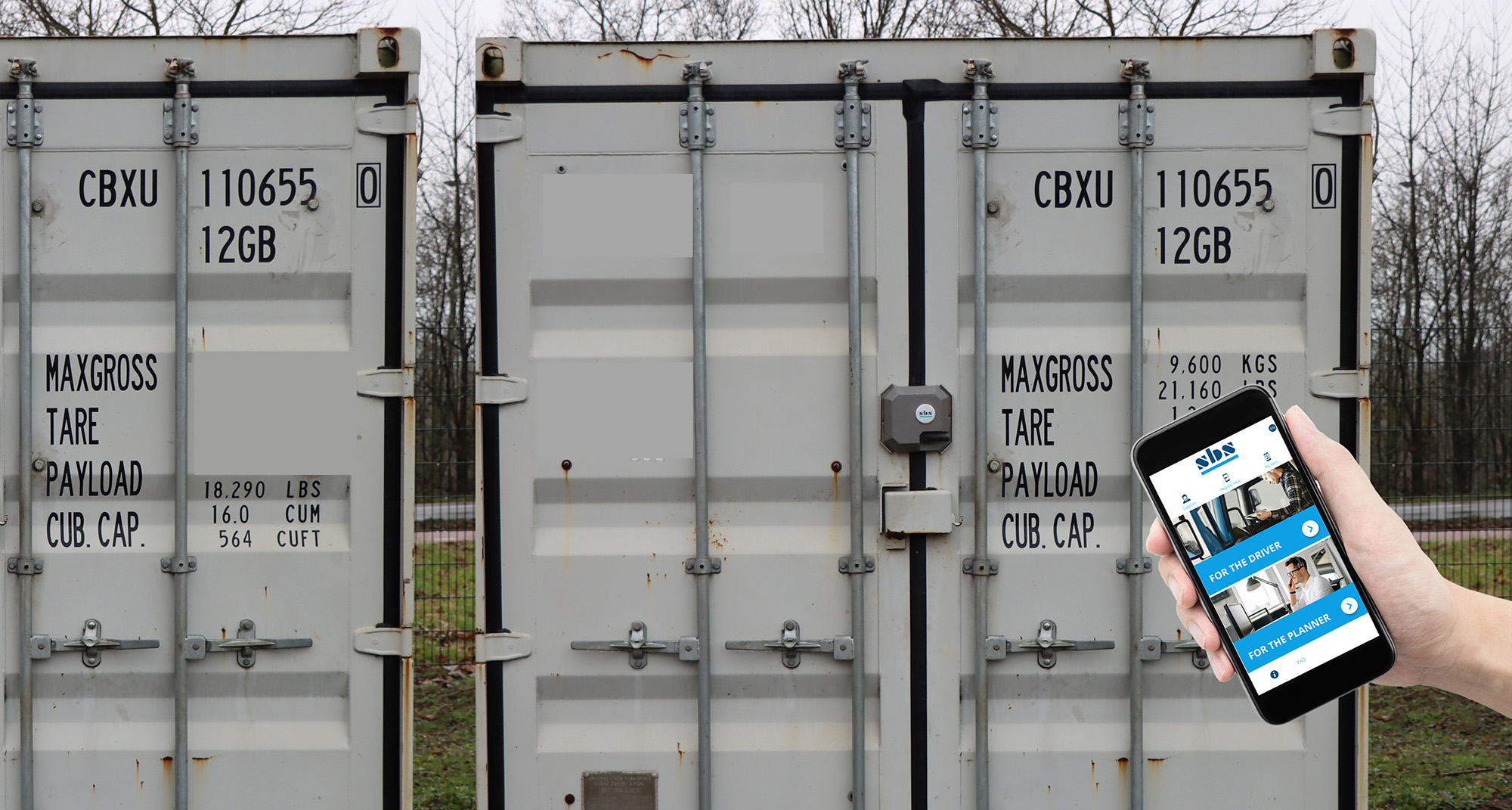
Not a standard padlock, but something that withstands cutting, forcing, and drilling. Like the SBS FOX lock: incredibly strong and smart. You unlock it via NFC with your phone. No more fumbling with keys. The automatic lock prevents anyone from leaving it open. And thanks to access control, you always know who entered and when. Ideal for teams or rentals.
2. Illuminate the site smartly.
Good lighting deters criminals. Install motion-sensor lights at strategic points: at entrances, around containers, near machines. Simple but effective.
3. Use surveillance cameras with alerts
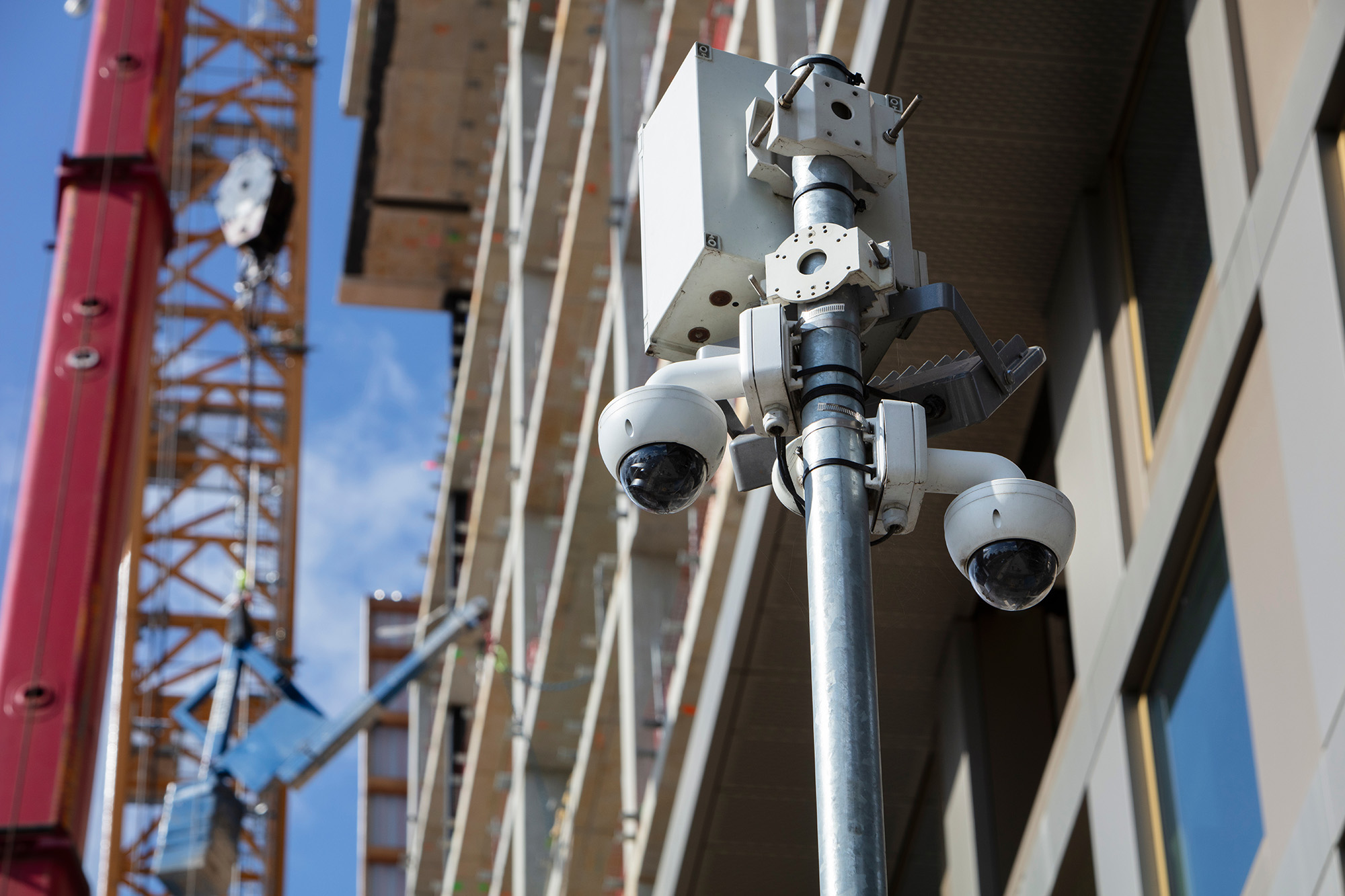
Cameras aren’t just for after the fact. Smart systems send instant alerts for suspicious activity. Combine that with lighting, and you’ll often outsmart the thieves.
4. Control access to materials
Not everything is stolen from the outside. Internal theft or careless handling also costs companies money. Digital access systems or physical checklists help create insight and accountability.
5. Show that the site is secured
Visible security is a strong deterrent. Think of signs saying “24/7 surveillance,” eye-catching locks, clear lighting. Criminals almost always take the easiest route. Make it clear that your site is not the easy option. Construction security is not an afterthought Treat security with the same seriousness as your delivery date. Theft doesn't have to be a standard risk. A container with a secure lock, smart lighting, and active monitoring doesn’t just prevent theft. It ensures your project keeps moving forward. And that’s what really matters.
Lower risk starts with better choices
You can never fully eliminate theft. But you can make things a lot harder for criminals. With smart, practical measures, you stay in control of your site and prevent unnecessary downtime, damage, and frustration. Want to know how the SBS FOX lock can truly secure your material containers? Discover the solution on our SBS FOX page.
Sources:
Bouwenwonen.net – Criminal gangs increasingly target construction sites
Telegraaf – Construction site theft growing in popularity
DTV Nieuws – Coudewater theft: "We’re really sick about it."