
This is what you need to know when you want to clean industrial hoses
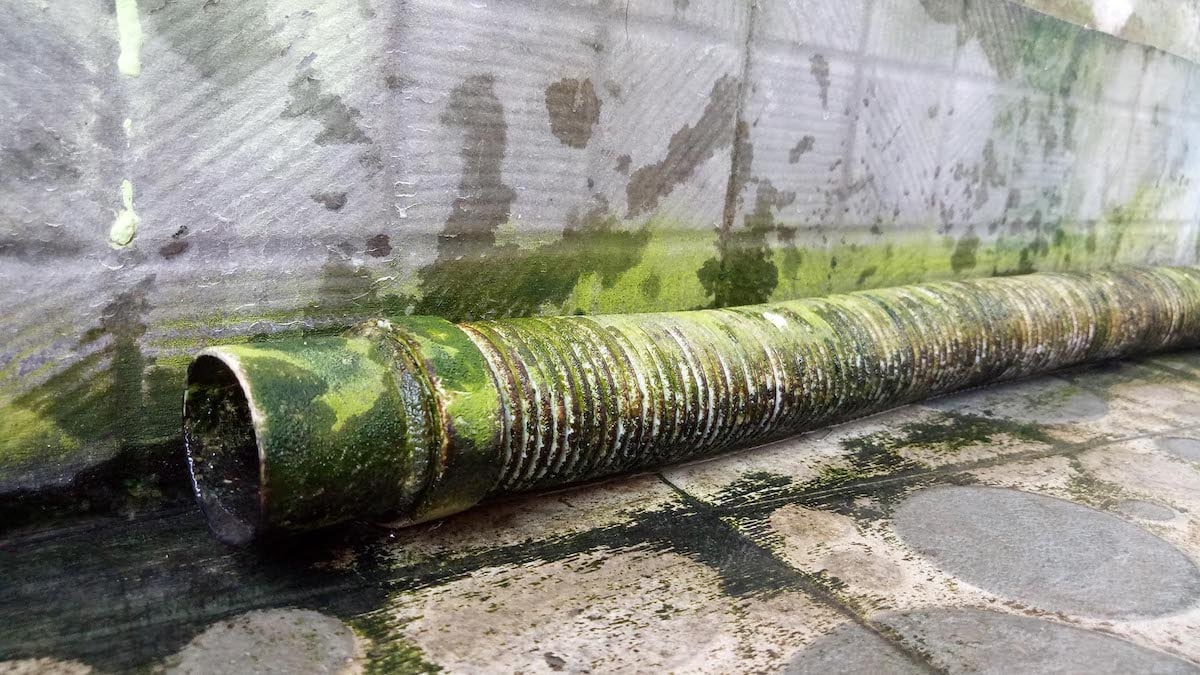
In the process industry and storage facilities, hoses are used to transfer substances from point A to point B. The medium being pumped can vary each time. Hoses are often cleaned in between to prevent contamination. A fruit juice producer, for example, does not want traces of tomato juice in the apple juice. How hoses should be cleaned depends entirely on the process, the medium, the type of hose, and the method. Our experts explain what you need to know.
The business process
The business process determines how the hose must be cleaned. For example, hoses in the food industry are subject to much stricter procedures than hoses used in construction to pump cement. Generally, there are different levels: cleaning, sanitizing, disinfecting, and sterilizing. Each level has its own procedures, which may also be regulated by laws and regulations.
The medium
If you don’t clean hoses in between and switch to another product, contamination will occur. If you produce ink, not a single drop of red should remain when you start producing yellow. For a pharmaceutical company, failing to clean hoses between products can even be life-threatening. However, for a hose used to pump sand, it is less critical if sand from location A mixes with that from location B.

The type of hose
Hoses are made from different materials, such as natural and synthetic rubber, plastic, silicone, and metal. Cleaning procedures vary depending on the material. Certain hoses need to be cleaned with a brush if residues stick to the inner wall. However, this is not the case for PTFE hoses. PTFE is non-stick and exceptionally smooth. Cleaning a PTFE hose with a brush can damage the inner wall, leaving small residues trapped in scratches, grooves, and pits caused by the damage.

Type of hose fitting
Not only the hose material but also the material of the hose fitting affects the cleaning method. You also need to consider the material of any seals. Not every material can withstand cleaning agents, hot water, steam, or mechanical cleaning methods such as brushing.

The cleaning method
Depending on the factors mentioned earlier, there are various cleaning methods. These can range from mechanical cleaning with a brush or swab, flushing with tap water or demineralized water, disinfecting with alcohol, to sterilizing with 130°C hot steam in an autoclave—possibly even in a cleanroom environment.
Not just any advice
It should be clear that it is impossible to give a one-size-fits-all recommendation for cleaning hoses. Many factors determine what the policy can be. Of course, our experts are available to assist, in consultation with the HSE coordinator, process manager, or loading manager, in setting up a practical policy and a simple digital registration system.