
Tips for storing hoses and preventing unsafe situations
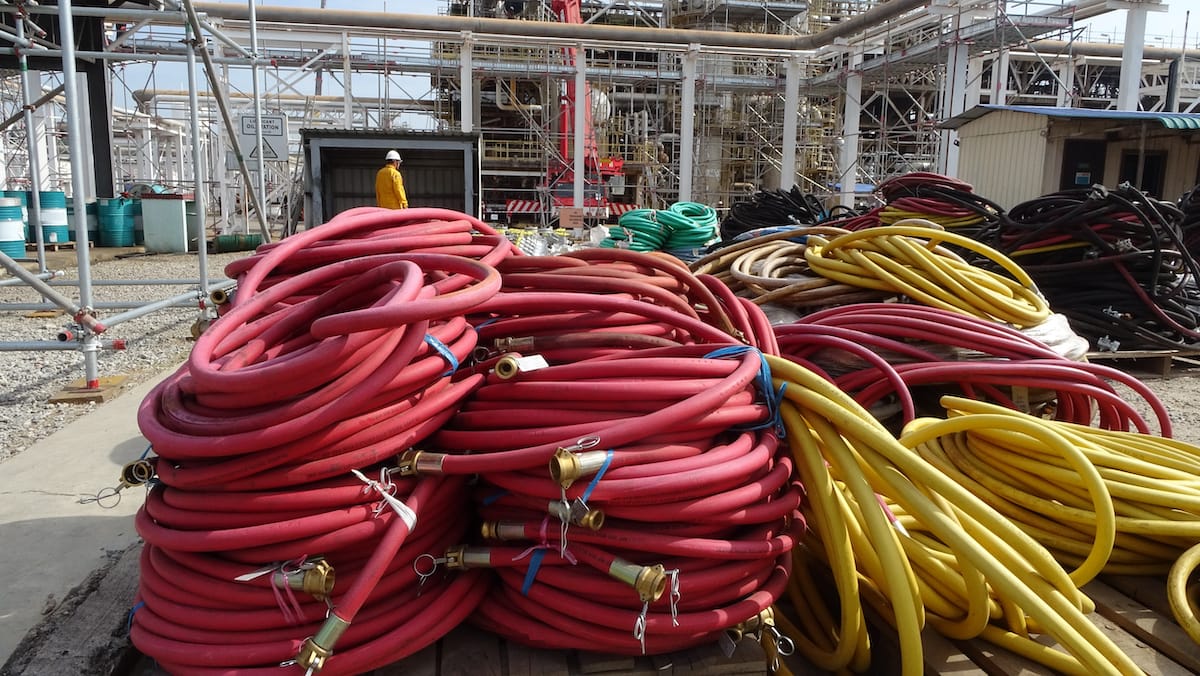
Hoses literally form the flexible connection between different processes. They can be in permanent operation, but a process may stop or change, causing other hoses to be used. A hose will then be stored for a period until it is used again. How the hose is stored directly affects its lifespan, usability, reliability, and ultimately the safety in the workplace. Our experts provide eight tips on how to best store hoses.
1 Inspect the hose beforehand
Check the hose for visible damage before storing it. This prevents you from taking out a hose from storage next time that you cannot use.
2 Clean the hose inside and out
Residue left inside or on the hose can damage it. Even a little water can cause mold growth. Especially with chemicals, it is recommended to thoroughly clean the hose inside and outside after use. Otherwise, the hose may be damaged and no longer reliable. In addition, vapors from chemical residues can create dangerous situations.
3 Store flat, stretched, or rolled differently
Store a hose as flat and stretched as possible. If the hose is too long, roll it up. This prevents too much stress on the hose and hose fittings, which can cause damage. For longer lengths, a reel is a good, handy, and safe solution.
4 Avoid dents
Prevent the hose from getting dented. The internal layers can be damaged, which is difficult to detect from the outside. Therefore, do not stack hoses too high and do not place heavy fittings on top of hoses.
5 Dark storage
Both daylight and artificial light can damage certain rubbers and plastics. It is better to store rubber and plastic hoses in a dark room. We are happy to inform you which types of rubber and plastic are affected by light.
6 Keep it cool
Rubber ages more slowly when stored cool. A rubber hose will age up to twice as slowly if stored at 10°C instead of 20°C.
7 Ventilation
Moisture can have negative effects on metal parts. In a humid environment, metal parts such as steel or brass fittings corrode faster. This makes them unreliable and unsafe to work with.
8 Protect fittings
We often see fittings with pits and dents, which cause fittings not to seal properly. Ensure fittings are protected so they do not get damaged when taken in and out of storage. Special plastic protective caps are available for this purpose.
9 Interim inspection, testing, and certification
Have your hoses been in storage for some time? Consider having the hoses tested and certified before use. This ensures you can work safely and reliably with the hose. Read more about testing and certification.
Download our tips as an infographic
To keep the tips handy, we have created this infographic for you. You can also download it as a PDF by clicking on it.
