
Why you should regularly clean your respiratory protection

Would you wear the same socks at work for weeks or even months on end? Probably not, because it’s hardly hygienic and they would start to smell very unpleasant. Let’s just say that after a day of work, socks usually end up in the laundry basket. After washing, they’re fresh again. Strangely enough, many users of respiratory protection don’t do this. They wear the same mask for days, weeks, or even months. This is not only unhygienic but can also make you sick.

Molds and Other Contaminants
Our specialists occasionally find dirty masks among users. These range from masks with dust inside to molds and other contaminants whose origins can no longer be traced. Using such a dirty mask can cause various complaints. Molds can lead to infections and respiratory problems. Regular cleaning and disinfecting of masks eliminates this risk.
Disassemble, Clean, and Disinfect
Masks and helmets can only be cleaned thoroughly by first disassembling them. The mask and each component can be properly cleaned in warm water with a little dish soap or disinfecting hand soap. Afterwards, the mask and components should be disinfected. This can be done easily with disinfectant wipes or a spray. Allow the disinfectant to dry completely to ensure optimal disinfecting effect. Of course, always follow the instructions provided with the disinfectant.
In the Dishwasher or Washing Machine
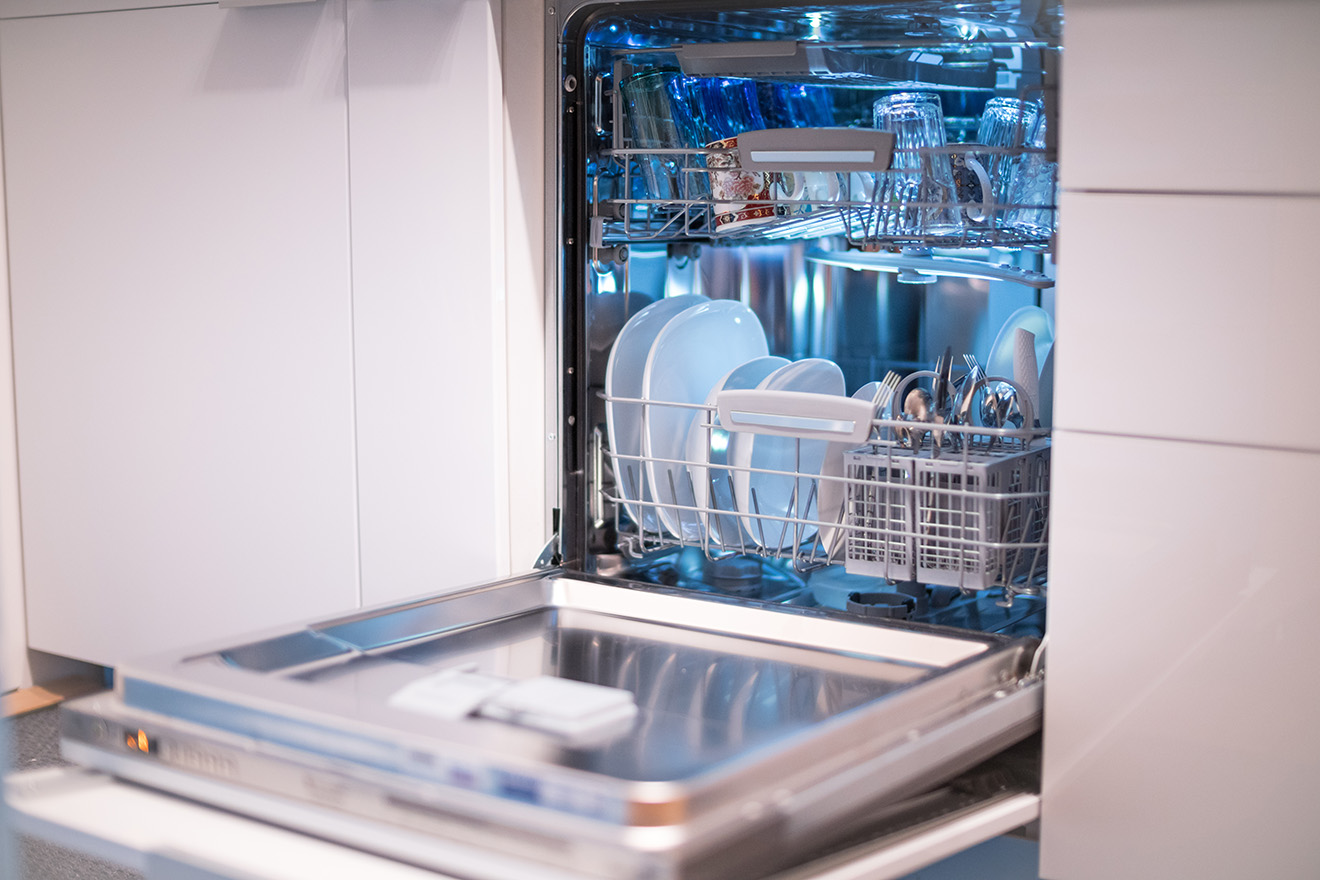
An easy way to clean your masks is using the dishwasher or washing machine. However, do not do this with rubber masks. The heat can deform them, changing the fit and causing the mask to no longer seal properly on the face. Silicone masks can be safely cleaned in the dishwasher or washing machine. Keep in mind that plastic parts cannot withstand high heat. Therefore, set the temperature to a maximum of 60 °C and do not use dishwasher tablets. Dishwasher tablets contain alkaline cleaning agents that cause the mask to age quickly. You can use detergent in the washing machine, but sometimes it leaves a "slightly too fresh" scent in the mask.
After washing in the dishwasher or washing machine, we recommend disinfecting the mask as well.
Do not put the mask in an autoclave. The high temperature in an autoclave can damage plastic parts.
Cleaning Filter Cartridges and Face Masks
A Sundström P3 filter cartridge can simply be rinsed under the tap. However, this does not remove contamination—it remains inside. Blowing out a dust filter with compressed air still exposes you to extremely high concentrations of dust. Additionally, you create holes in the filter material, which destroys its filtering function. So never do this!
A gas-vapor filter cannot be cleaned in a way that guarantees it will regain its original function. So, don’t do that either. Treat these as hazardous waste after use.
If you work with bacteria or viruses, you can disinfect a filter. But only filter cartridges with mechanical filter material, such as the Sundström P3 filter, can be disinfected. Do this by submerging the filter cartridge for at least 5 minutes in a disinfectant based on 70% isopropyl alcohol or 60% ethyl alcohol (ethanol). Then let the filter cartridge dry for at least 24 hours in a well-ventilated area.
Filter cartridges with electrostatic filter material (disposable masks or face coverings) cannot be disinfected because this damages the filter’s effectiveness.
Considerations When Purchasing
When choosing masks, the ease and effectiveness of cleaning them is rarely taken into account. Often, after purchase, it becomes apparent that the mask is difficult to keep clean or that cleaning takes a lot of time. When buying, you should therefore consider the following:
Easy disassembly saves a lot of time
To thoroughly clean a mask, all parts must first be removed. Think, for example, of the exhalation valves, filter holder, harness, and headbands. Cleaning a mask that is easy to disassemble saves a lot of time.
The fewer parts, the less dirt buildup
Certain masks consist of multiple parts attached to each other. The seams and gaps created provide an ideal place for molds and bacteria to grow. Cleaning this type of mask is therefore extra difficult and takes significantly more time.