
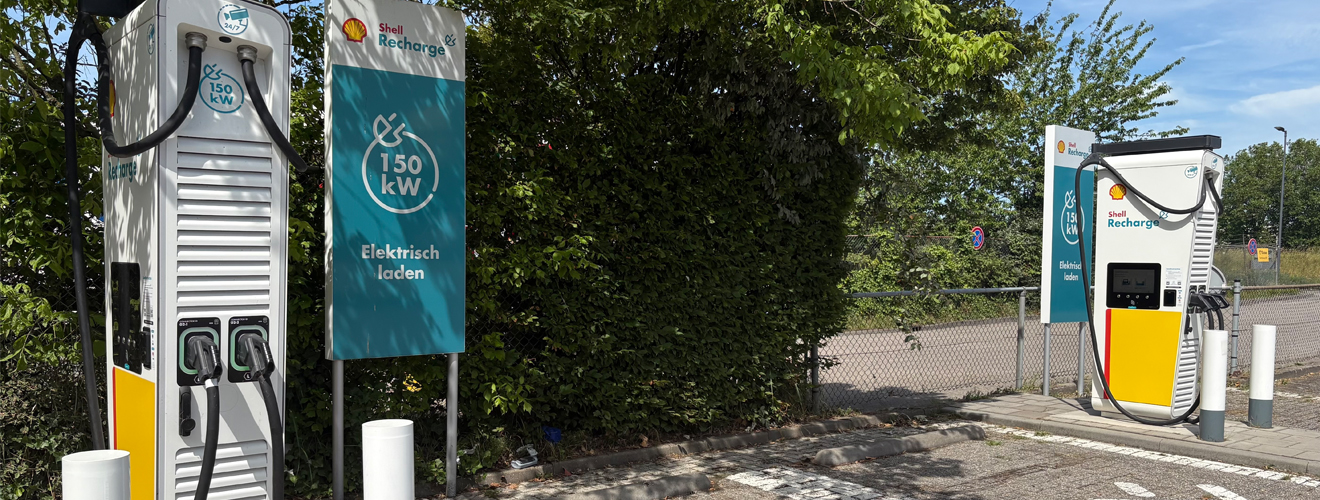
New MID guideline establishes uniform requirements for measuring during EV charging
11-06-2026
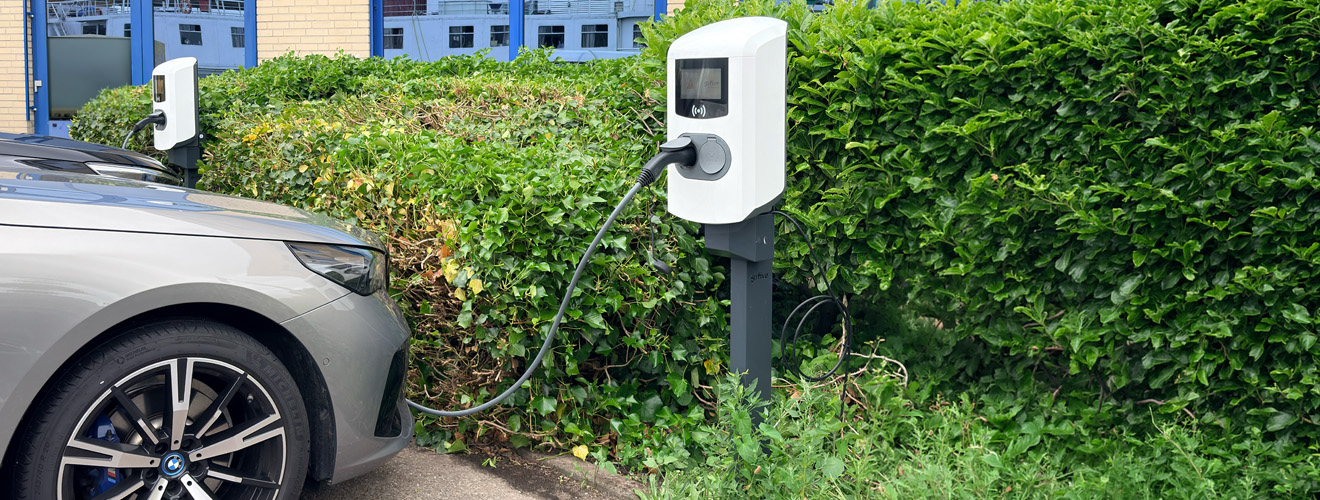
Anyone who fills up with gasoline or diesel expects that the liters on the pump correspond to the amount of fuel actually delivered. Therefore, fuel dispensers are inspected and calibrated if necessary. This expectation is also becoming increasingly important when charging electric vehicles.
Charged and Invoiced Kilowatt Hours
Because at a charging station, billing is also based on a measurement. Not in liters, but in kilowatt hours. EV drivers, business fleets, and operators must be able to trust that the invoiced energy corresponds to the energy that is actually delivered.
MID Directive for Electric Vehicle Charging Facilities
The European MID Directive 2026/706 places additional emphasis on this. The directive expands the European framework for measuring instruments to include systems for measuring electric vehicle charging facilities. This makes measurement accuracy a significant step in the further professionalization of the charging market.
Why This New Directive?
The original MID directive was designed for traditional measuring instruments such as electricity, gas, and water meters. The explosive growth of electric charging has resulted in millions of transactions based on measurements by charging stations. Until now, there was no harmonized European framework for this.
With the new directive, charging stations are explicitly included in European metrology legislation for the first time. This provides more clarity for manufacturers, operators, and users of charging stations.
A Charging Station is Also a Measuring Instrument
The market for electric driving is growing rapidly. Companies, governments, and consumers increasingly depend on charging infrastructure for their daily mobility. As a result, the role of charging stations is also changing.
A charging station is not only an energy supply but also a financial measuring instrument. The measured kilowatt hours form the basis for billing.
For users, it's simple: each invoiced kilowatt hour must be accurate. For operators, service companies, and inspection bodies, this means that measurement accuracy is becoming increasingly important. Not only for new installations but also throughout the entire service life of the charging station.
Incorrect Measurement is a Business Risk
A charging station that consistently over-measures can lead to excessively high bills for users. This increases the likelihood of complaints, disputes, and reputational damage. If a charging station under-measures, it directly affects the operator's results. As long as the number of charging points was limited, this risk seemed manageable. But as charging networks are quickly growing and being used more intensively, reliable measurement becomes a critical factor. Operators will increasingly need to demonstrate that the measurement data upon which billing is based are reliable and traceable.
Considering New Requirements Now
The amended directive came into effect on April 9, 2026; member states then have 24 months to incorporate the new rules into national legislation. Although national implementation is still forthcoming, it is wise for operators to already consider the upcoming requirements, which will be established in legislation by April 2028 at the latest. Think of preparing periodic checks, calibration, and the associated documentation.
Our experts assist with testing and calibration challenges
For many operators, service organizations, and testing agencies, this raises new questions:
- How do I check the accuracy of my charging infrastructure?
- How do I demonstrate that measurements are reliable?
- What equipment is needed for testing and verification?
Our experts have the necessary experience when it comes to testing and calibrating energy meters.
Demand for services and equipment
Preparation is also essential for service companies, testing agencies, and calibration parties. The demand for specialized testing equipment and calibration services will increase significantly. Those who invest now in knowledge, processes, and equipment will gain an edge in a rapidly professionalizing market.
Want to know more?
Meer artikelen over testen en ijken
Energy & Industry
Challenges with EV fast chargers in measuring for MID directive
Testing and inspecting DC chargers: the new MID directive makes accurate measurement more important than ever

Energy & Industry
From maintenance to measurement certainty: a new role for charging station service companies
From maintenance to measurement certainty: how the role of charging station service companies is changing
Energy & Industry
Ready for the new MID directive? Prepare your charging points in 8 steps
Ready for the new MID directive? Prepare your charging infrastructure with these 8 steps.